A tale of two cities
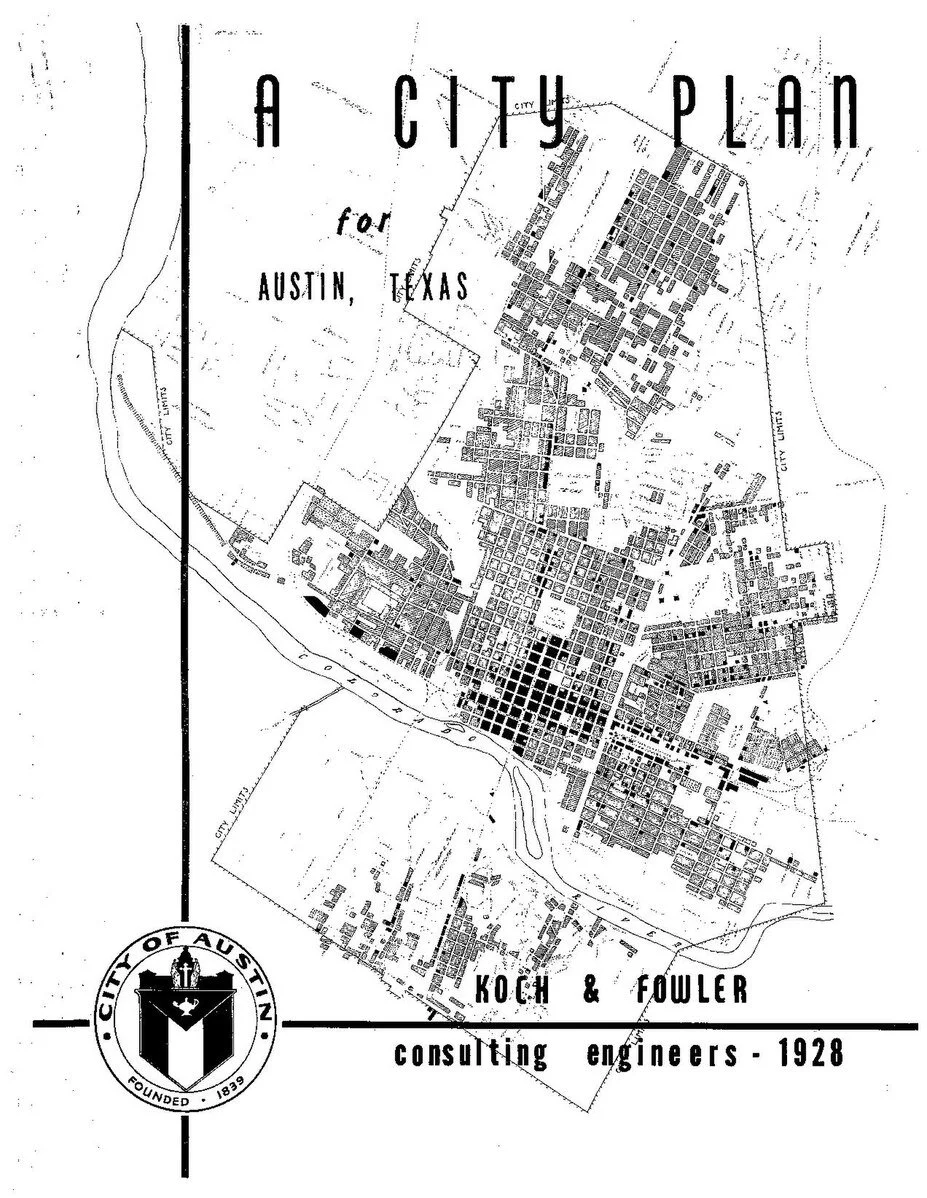
In 1928, the City of Austin’s Master Plan designated East Austin as the area where all industry, African American, and Mexican American communities would relocate and reside. Prior to that, there were African American and Mexican American communities all throughout Austin. East Austin was redlined and continues to bear the consequences of environmental racism. Environmental racism is a term used to describe the placement of polluting industries in communities of color, leading to severe health issues and even death. Like many cities in the United States, Austin has a history of segregation that remains today. Poor race relations remain at the heart of many of Austin’s present-day issues.
our beginnings
In May of 1991, community members of East Austin gathered at a national meeting held by SEMATECH, which was a non-profit research consortium funded by the federal government and several of the largest U.S.-owned semiconductor manufacturers in Montopolis, a predominantly working-class, latine neighborhood. As a result of this meeting and the garnered interest in matters affecting the community, participants realized the need to form an organization that could address the social, economic, and environmental impacts on East Austin’s communities of color.
In the same year, People Organized in Defense of Earth and her Resources (PODER) was established with the mission to increase East Austin residents’ participation in corporate and governmental decisions related to economic development, environmental hazards, and the implications they would have for historically underserved and underrepresented neighborhoods in East Austin.
instituting environmental justice
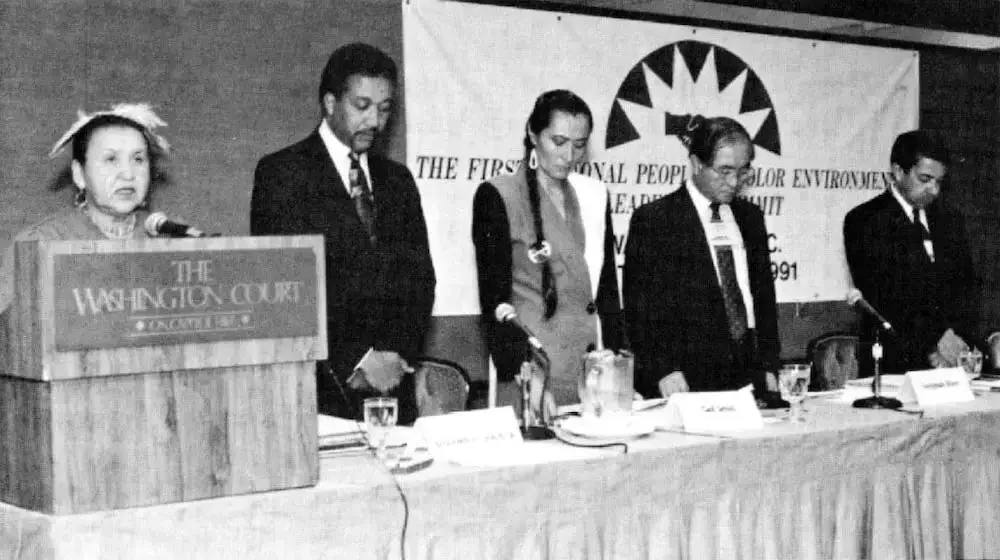
Co-founder of PODER Susana Almanza attended the first People of Color Environmental Leadership Summit held in Washington D.C. in October of 1991. There, she worked alongside a diverse group of leaders and activists to write the 17 Principles of Environmental Justice, which continues to serve as the foundation of the modern-day environmental justice movement in the United States, redefining environmentalism to incorporate social justice and where communities live, work, play and pray. In 2021, Susana Almanza would be appointed to the White House Environmental Justice Advisory Council.
meet our board of directors
Janie Rangel - Chair of Gardens Neighborhood Association
Bertha Williams - Chair of Stuart Circle Neighborhood Association
Gilberto Rivera - Chair of Rosewood Neighborhood Association
Corazon Rentería - Chair of Vargas Neighborhood Association
Pete Rivera - Chair of Springdale-Airport Neighborhood Association
Librado Almanza - Chair of Larch Terrace Neighborhood Association
Susana Almanza - Executive Director of PODER